Singing (or Dancing) in the Rain

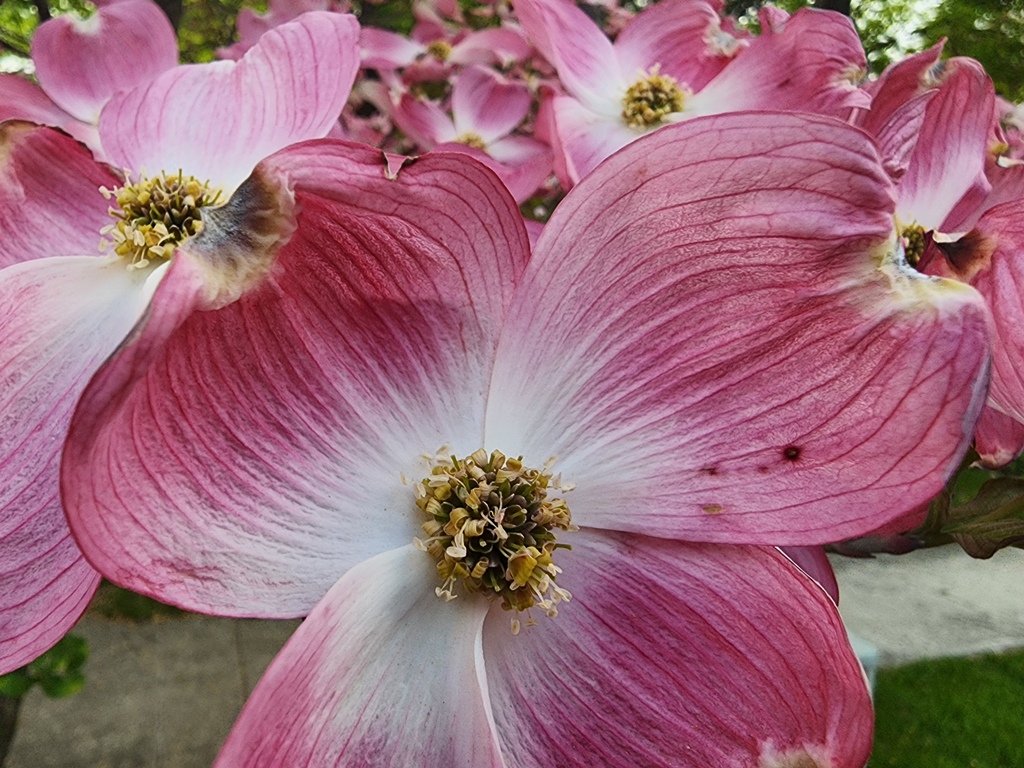
Despite a rather wet and chilly Spring, the grey weather hasn’t crimped baby girl’s style in the slightest. No rainy day will keep her trapped inside while God’s blessings smile so abundantly elsewhere. We’re excited for the arrival of some baby rain gear in the mail which will make these outdoor adventures all the more fun!

A Church Shaped Hole

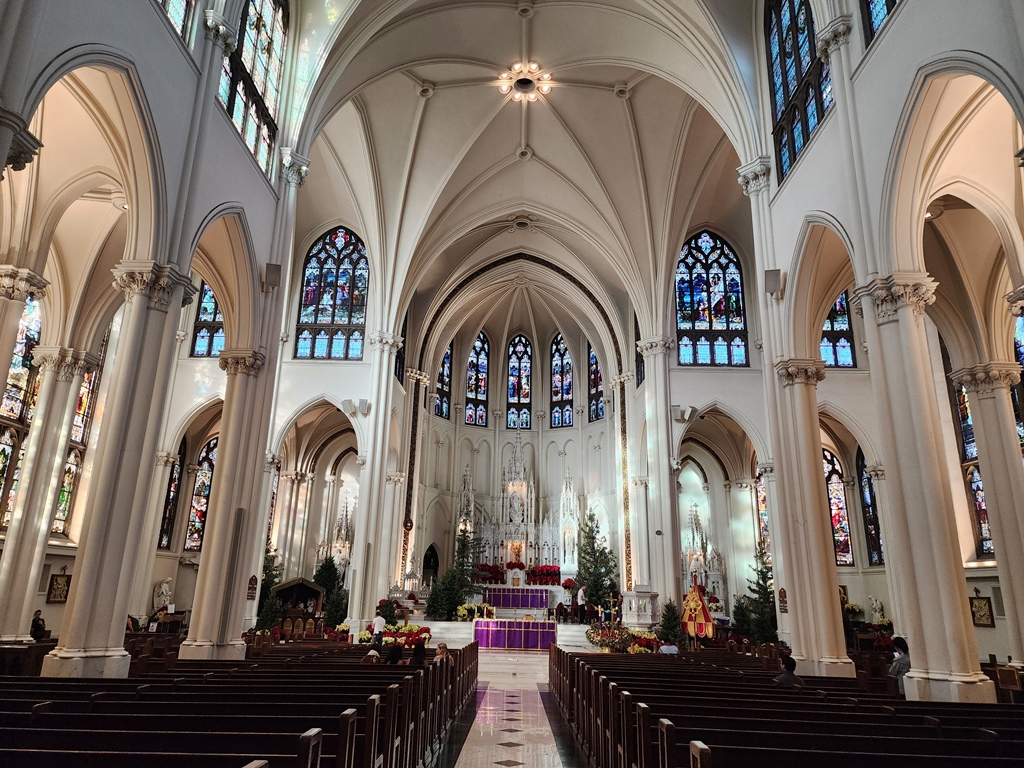
Although our world is full of knowledge and technology beyond imagining, modernity does still leave a few things to be desired. Modern architecture in particular tends to leave a church shaped hole in the hearts of many Catholics. Thankfully, the popularity of theater seating or church in the round seems to be on the decline but those erected during the 70s revocation are often still in use. 

Throughout history Catholic churches were traditionally built in the shape of a cross. There was one longer arm, the nave, where the assembly would sit and two shorter wings nearer to the head of the cross called the transepts (North and South respectively) which could offer additional seating or house chapels. The altar was always reserved for the head of the cross. This layout was and still is incredibly significant in Catholic teaching. The larger body of the church where laity sat has sometimes been called an arc, calling to mind the story of Noah and the flood. However, more importantly, it is a reminder of Christ’s sacrifice on the cross. That Christ died in such a brutal way for the repentance of our sins is the most central teaching of the Catholic Church. Structures built to house His most precious body and sacred blood are meant to reflect this teaching. 

Likewise, minimalist art and architecture, while certainly cost effective, have only in recent decades found home in Catholic churches. Before this, Catholic churches were intended to point to the glory of God in Heaven. These were truly houses of God, complete with intricate tapestries, ornate mosaics, vaulted ceilings and elaborate stone and wood work. Many of them were built around huge pipe organs which were the preferred instrument for raising hymns to God as they were most akin to the sound of dozens of heavenly voices singing in tandem, like a choir of angels. Altars were constructed of glistening gold and hewn marble to be radiant markers of the presence of the real body and blood of Christ. These sanctuaries were meant to give us a small glimpse into the beauty of Heaven. 

Additionally, the radiance and intentional structure of Catholic churches encouraged proper practice among parishioners. The one long aisle down the center of the nave traditionally meant that everyone was able to receive communion from the priest rather than an extraordinary minister. This also usually occured from a kneeling position as communion rails were similarly common. A stage or music pit for the choir and accompaniment was totally unnecessary as most churches were constructed with a choir loft at the back of the church from which heavenly hymns would rain down on the assembly rather than become the main event, distracting from the sacrifice of the mass. Parishioners were all seated in the same direction, oriented toward Christ, again minimizing the distraction of awkward eye contact with other lay people on the opposite side of the church.

In such an environment there was no mistaking the holy mass for a performance. So many people, even the most devout Catholics, are prone to critique a particular mass whether due to an over long homily or an out of key cantor. Mass has so frequently become the Sunday morning show and we’ve forgotten why we’re actually there. 

Violet Invasion

My husband and I are waging war this year on the ground ivy that has taken up residence along our back fence and is slowly strangling everything else that might grow there, including the grass. However, even in war there are miracles to be found. The invaders blessed us for a very short time with these bright blooms, calling a temporary ceasefire.

The Perfect Forgiver

Catholics walk a fine line in our daily lives, in constant tension. We are acutely aware of the weight of our sins and the price they incurred in the death of God’s only begotten Son on the cross. We also live in perpetual hope and jubilation at the knowledge of God’s divine love and mercy. How easy it is to err on either side of that line. 

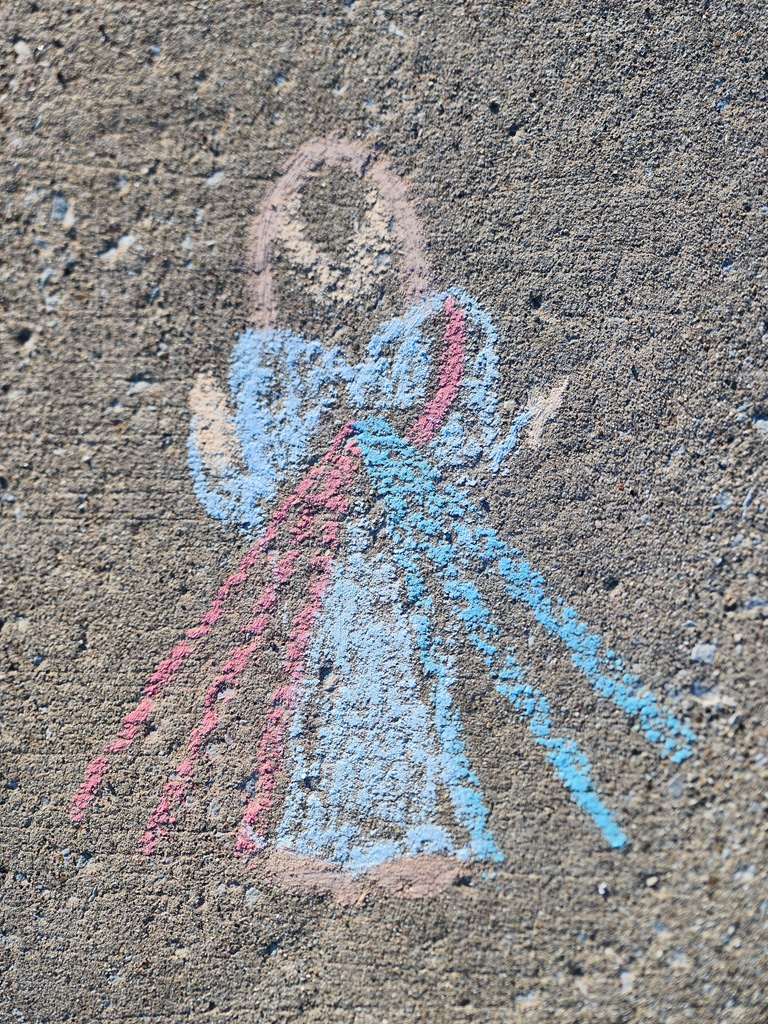
In my own circle, many of the best, holiest people I know seem to labor under the delusion that their personal sins are insurmountable. I am frequently inspired by the goodness and righteous zeal of the people in my family and community. Yet, they talk about themselves as if they are worthless and utterly undeserving of forgiveness. Even after running to confession, many Catholics go through life speaking and acting as if they cannot possibly hope to merit God’s mercy. With the exception of Mary, we are all undeserving. However, in my experience, God doesn’t give us things because we deserve them. I’m still trying to figure out how to be someone who deserves the amazing man I married and the sweet little girl we created together. As far as I can tell, I’m not even close. Happily, in addition to being perfectly just, God is also perfectly merciful. After confession on one divine mercy Sunday I was reduced nearly to tears at the realization of this ultimate love and compassion He has for us. He is the perfect forgiver. Though I have done wretched and regrettable things in my life, none of them are greater than His flawless mercy for each and every one of us. 

Of course, not everyone will be saved. Society has dumbed down many of the Church’s teachings to the point that Christ is often treated as a supernatural wingman; someone to pal around with every Sunday and who will always get you out of a tight spot. Though it may occasionally be comforting to assume that we’re all generally good people who are all in God’s good graces, the reality is that this line of thinking is itself sinful. God is not a lucky charm or a genie in a bottle. To bounce through life presuming on God’s forgiveness is to forget the horror, pain and enormity of Christ’s sacrifice on the cross. His agony and death gifted us a path to salvation, but we are still called to actively choose that path.

Only the sincerely repentant sinner can hope to achieve salvation and therefore, the sincerely repentant sinner should hope for salvation. To aim any lower than sainthood is to deny oneself the full benefit and blessing of God’s ultimate gift for us, sent to us through His Son.

Rain Spattered

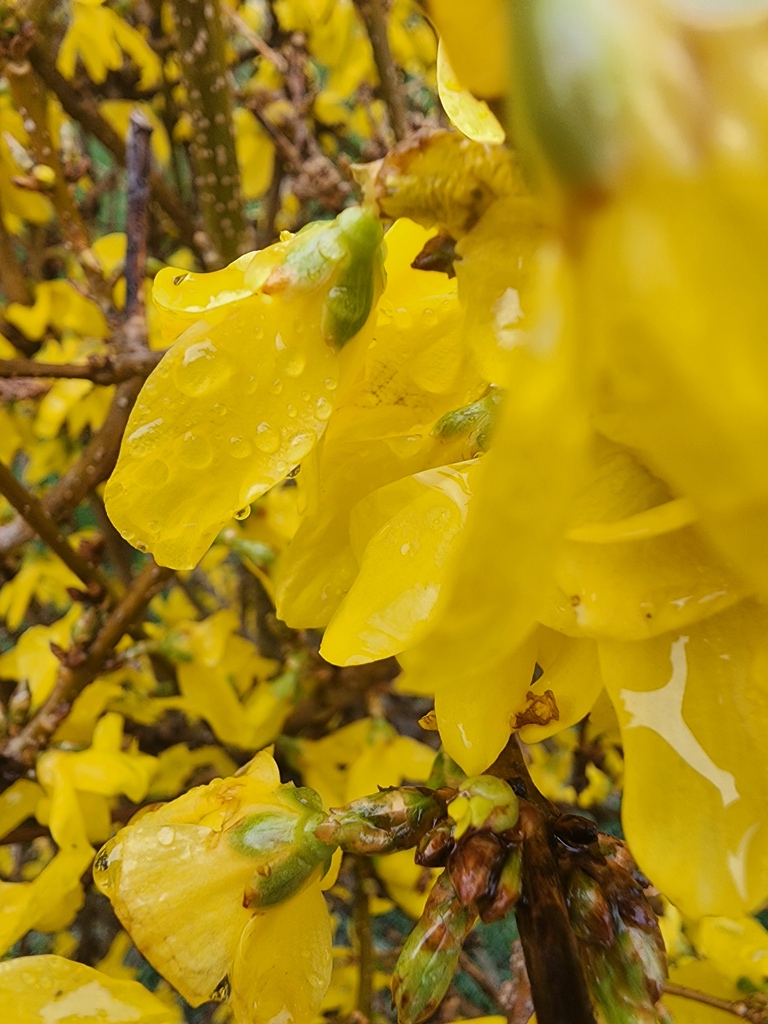
Every year I am newly amazed that the yellow blooms are the first to flower, as if announcing the coming of warm yellow days to come while chill spring rain still spatters our windows. Sunny daffodils smile at baby girl and I as we take our walks through the neighborhood, bundled up against the icy wind. Even huddled against the cold, these outings are still a blessing as we witness God’s creative work in real time.